Prodigy Finance — Solving trust through peer conversation
Overview
Prodigy finances international masters students so they can study at the world's best schools, without collateral or a local guarantor. In 2022, conversion was down, and the thing customers wanted most wasn't the lowest rate. It was trust.
I led design end to end. The research, the multi-sided product across web and mobile, and the design-system migration underneath it. The brief was to turn an informal community into a real product. The harder truth was that the trust it traded on couldn't be decorated into existence. It had to be built into the system.
Role
Lead Product Designer
Duration
March – November 2022
Collaborators
Product
Design
Engineering
Customer Experience
Brand
The problem
Trust was the product, and it wasn't designed
Conversion was down, and customers ranked trust above the interest rate. The one thing that mattered most had no mechanism behind it.
People were hunting for trust on their own
All 15 customers we interviewed found a way to talk to a real borrower first. A lucky few had a friend. The rest cold-messaged strangers on LinkedIn.
The insight
Peer conversation is the unlock
People didn't need more data or another calculator. They needed to talk to someone who'd already made the leap.
Designing the experience
Surface the right person, at the right moment
Not a generic chat box. A nudge toward an ambassador who took their path, right when doubt creeps in.

Matching was most of the work. The right ambassador, same country or same course, surfaced at the moment of hesitation, not a banner that follows you around.
Make mentoring worth an ambassador's time
Ambassadors were flying blind. They didn't know who they were helping, where that person was, or whether their advice even landed. So the app gave them sight, leverage, and a reason to stay.
People come for the tool. They stay for the network. The app was built around that.
Feedback that made ambassadors better
Ambassadors wanted to know if their help landed, and quietly, where they stood. So the app told them both, without turning mentoring into a contest.
They said they weren't competitive. Then they asked their rank. A weekly nudge fed the curiosity without making it a leaderboard race.
Turning borrowers into mentors
The best ambassadors were people who'd just been through it. So the invite met them inside the app, and onboarding made saying yes easy.

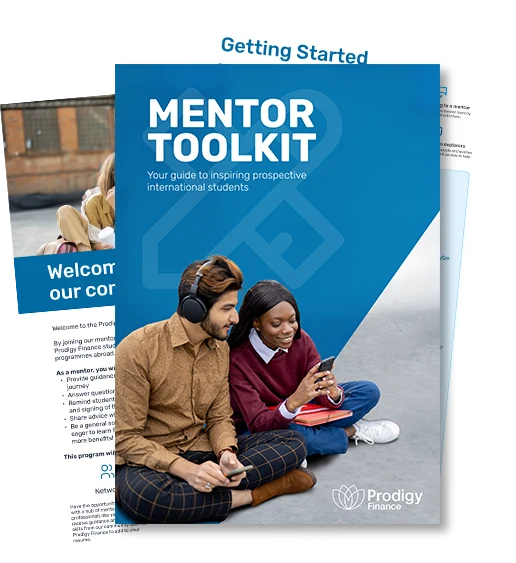
The pool grew from 22 to 128 in six months. The right ask, at the right moment, to the people best placed to help.
The system underneath
One source of truth, built to last
I joined to fragmented files, two pattern libraries, no shared language between design and code. So I migrated the org to Figma and rebuilt the foundation: tokenized UI, Atomic Design, accessibility baked in.
I solved it one fix at a time, shipping high-impact changes first so the system earned its keep as teammates felt the benefit.
Outcome
Trust, made measurable
The trust people used to chase on their own now reached them by design. 97% of borrowers who came through never missed a payment.
What I learned
Trust is a system, not a surface
You can't design trust by polishing the UI. It comes from the right person showing up at the right moment, and both sides knowing they're dealing with something real. The interface was the smallest part.
Watch what people do, not what they say
Ambassadors said they weren't competitive, then asked their rank. Customers said they wanted the best rate, then chose trust. The design followed the behavior, not the stated preference.
Design both sides, or neither works
Getting prospects into conversations meant nothing if ambassadors didn't want to have them. A marketplace fails on the side you ignore. Supply needed as much design as demand.
People didn't want more information. They wanted one real conversation before they leapt.